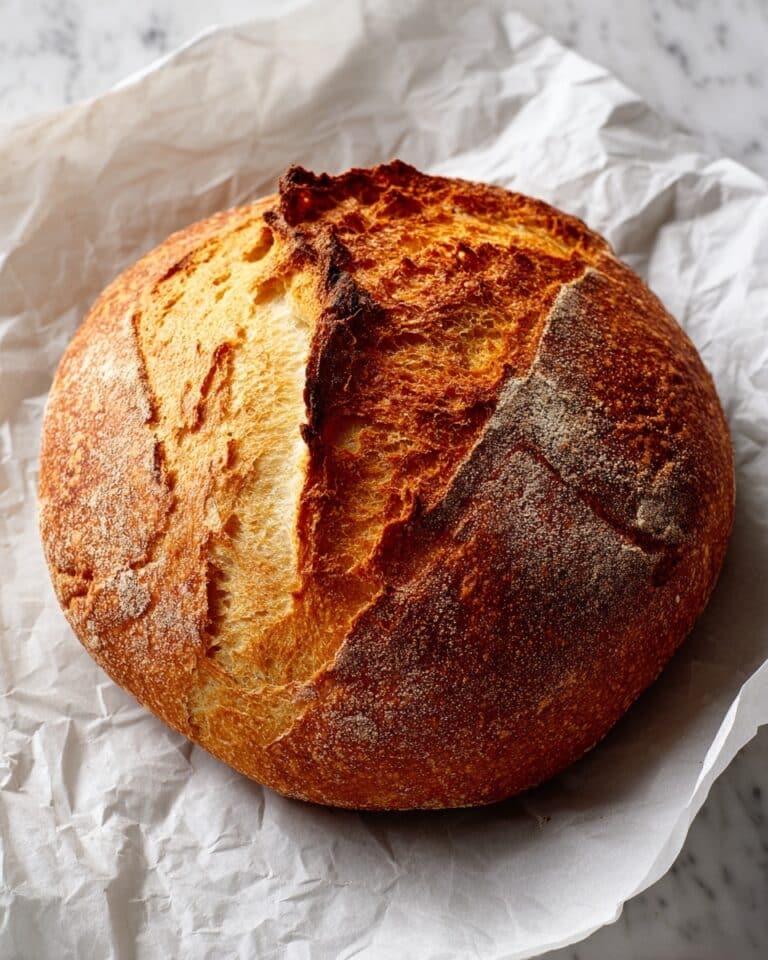
Jibin Lebanese White Cheese Recipe
Introduction
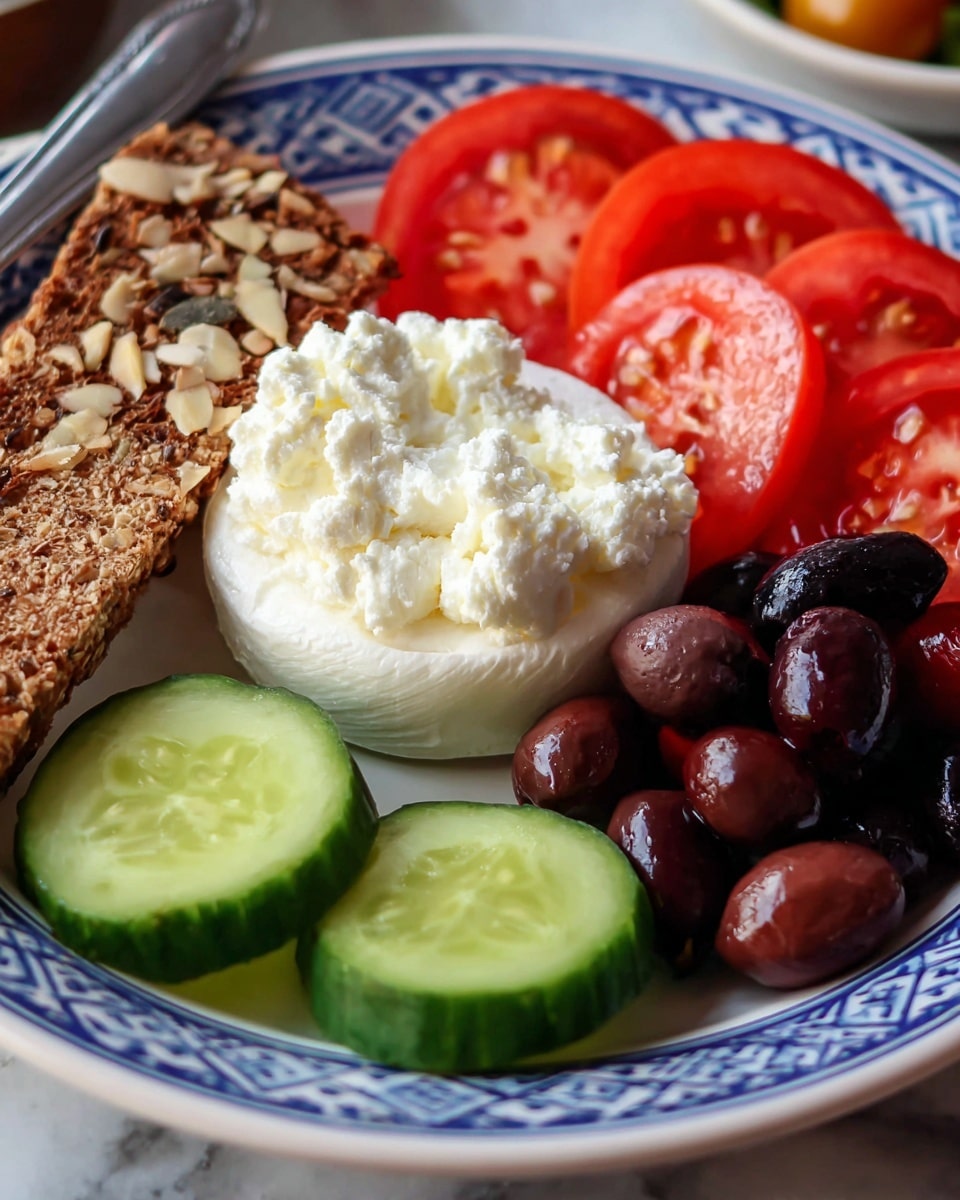
Jibin is a traditional Lebanese white cheese known for its mild, fresh flavor and soft texture. Made simply from milk, rennet, and lemon juice, it’s a delightful homemade cheese perfect for breakfast or snacking.
Ingredients
- ½ gallon whole milk (pasteurized, not ultra-pasteurized)
- 1 tablet rennet or ¼ cup distilled white vinegar (see Note 1)
- 2-3 tbsp fresh lemon juice
- 1 tbsp kosher salt
- 1 tbsp zaatar (optional)
Instructions
- Step 1: In a large stainless steel pot (not aluminum), warm the milk to a lukewarm temperature between 90-100°F. Remove from the heat.
- Step 2: Crush the rennet tablet using a mortar and pestle or the handle end of a knife/spoon in a small bowl. Stir in 2 tablespoons of cold water until dissolved. If using vinegar, skip this step.
- Step 3: Gently stir the rennet mixture and lemon juice into the milk. Within a few minutes, small pools of yellow liquid (whey) should appear, indicating separation. If not, add more lemon juice and wait.
- Step 4: Cover the pot and let it rest undisturbed in a warm spot for about an hour until a soft, yogurt-like curd block forms with clear separation at the edges.
- Step 5: Gently break up the curd into the whey using a whisk so it resembles small curd cottage cheese. Let it rest for 30 minutes.
- Step 6: Line a colander with a single layer of ultra-fine cheesecloth and pour in the curds. Stir regularly while it drains for about an hour.
- Step 7: Prepare a sheet pan with parchment or white paper towels. Season the curds with salt and optional zaatar, mixing thoroughly. Gather the cheesecloth ends and gently squeeze out excess liquid. Open it, taste, and adjust seasoning if needed. Shape the cheese into round balls or oblong patties about 1½-2 inches thick, pressing out excess whey.
- Step 8: Place the shaped patties on the lined pan, lightly cover with paper towels, and refrigerate overnight.
- Step 9: To store, place whole or cut patties in a jar and cover with brine (1 cup warm water mixed with 2 tablespoons kosher salt) at room temperature or chilled, or submerge in good extra virgin olive oil. Keep refrigerated and consume within 10 days.
Tips & Variations
- If you don’t have rennet, distilled white vinegar works well as an effective substitute.
- For a herbal twist, experiment by adding zaatar or your favorite spices to the curds before shaping.
- Use ultra-fine cheesecloth to ensure proper draining and a smooth texture.
Storage
Store Jibin submerged in brine or olive oil in a sealed jar in the refrigerator. It will keep well for up to 10 days. When ready to serve, remove from the brine/oil and bring to room temperature for the best flavor and texture.
How to Serve
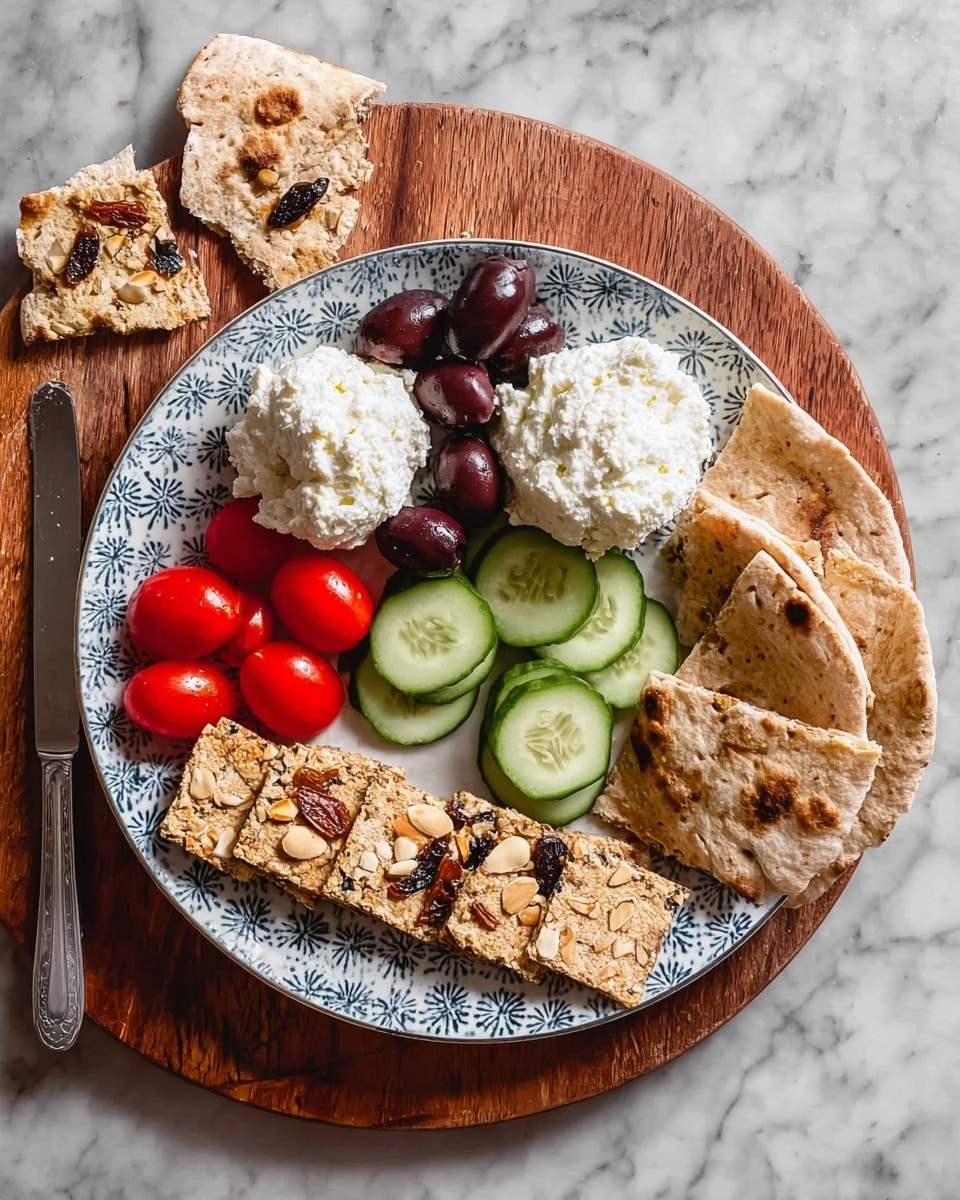
Serve this delicious recipe with your favorite sides.
FAQs
Can I use ultra-pasteurized milk for Jibin?
No, ultra-pasteurized milk is not recommended as it does not curdle properly, which is essential for forming the cheese.
What if my curd doesn’t separate after adding lemon juice and rennet?
If separation doesn’t occur, try adding a bit more lemon juice or vinegar, stir gently, and give it more time at a warm temperature. Using fresh ingredients helps ensure success.
PrintJibin Lebanese White Cheese Recipe
Jibin is a traditional Lebanese white cheese made from whole milk using natural coagulation with rennet or vinegar and fresh lemon juice. This soft, fresh cheese is gently curdled, drained, salted, and optionally seasoned with zaatar. The cheese is then shaped into patties and chilled overnight for a mild, creamy texture. Perfect as a fresh cheese for Mediterranean dishes or as an appetizer.
- Prep Time: 15 minutes
- Cook Time: 1 hour 30 minutes (including draining time)
- Total Time: 2 hours
- Yield: About 1 pound of cheese 1x
- Category: Cheese Making
- Method: No-Cook
- Cuisine: Lebanese
- Diet: Vegetarian
Ingredients
Milk and Coagulants
- ½ gallon whole milk (Pasteurized, not Ultra-Pasteurized)
- 1 tablet rennet or ¼ cup distilled white vinegar (See Note 1)
- 2–3 tbsp fresh lemon juice
Seasoning
- 1 tbsp kosher salt
- 1 tbsp zaatar (optional)
Instructions
- Warm the Milk: In a large stainless steel pot (avoid aluminum), gently warm the pasteurized whole milk to a lukewarm temperature between 90-100°F. Remove from heat once warmed.
- Prepare Rennet Mixture: Crush the rennet tablet using a mortar and pestle or the blunt end of a knife/spoon in a small bowl, and dissolve it fully in 2 tablespoons of cold water. If using vinegar instead, skip this step.
- Add Coagulants: Stir the dissolved rennet mixture and fresh lemon juice gently into the warm milk. If not using rennet, simply add the lemon juice and vinegar. Wait a few minutes for the milk to separate into curds and whey; add more lemon juice if separation is slow.
- Rest the Milk: Cover the pot and set it aside in a warm place, undisturbed, for about one hour until a soft yogurt-like curd block forms, noticeable by a clear separation around the edges.
- Break Up the Curd: Gently whisk the curd to break it into small cottage cheese-like pieces. Let it rest in the pan for 30 minutes to allow the curds to settle.
- Drain the Curds: Line a colander with one layer of ultra-fine cheesecloth. Pour the curds and whey into the colander, stirring occasionally for even draining. Let drain for about one hour until the whey has mostly drained off.
- Season and Shape: Transfer the curds to a sheet pan lined with parchment or a white paper towel. Stir in kosher salt and optional zaatar evenly. Gather the cheesecloth ends and gently squeeze to remove excess moisture. Open the cheesecloth; taste and add more salt if desired. Shape the cheese into round balls or oblong patties approximately 1½ to 2 inches thick, pressing out extra whey during shaping.
- Chill: Place the shaped patties on the lined sheet pan and cover lightly with additional paper towel. Refrigerate overnight to set the cheese.
- Store: Store whole or cut patties in a jar covered either with brine (made from 1 cup warm water and 2 tablespoons kosher salt, cooled before use) or good extra virgin olive oil. Keep refrigerated and consume within 10 days.
Notes
- If rennet is unavailable, distilled white vinegar can be used as a substitute to coagulate the milk.
- Do not use aluminum pots as they can react with the milk; stainless steel is preferred.
- The curds will initially appear wet and not fully separated; patience during draining is key.
- Optional zaatar adds a traditional Middle Eastern herbal flavor blending thyme, sumac, and sesame seeds to the cheese.
- Ensure the brine is cooled to room temperature or chilled before adding cheese to prevent spoiling.
- Use pasteurized whole milk, not ultra-pasteurized, for best texture and flavor.
- Cheese can be stored for up to 10 days refrigerated in brine or olive oil.
Keywords: Lebanese cheese, jibin, fresh cheese, white cheese, homemade cheese, cheese curds, Middle Eastern cheese